
Homes That Adapt to Changing Mobility
Aging-in-Place Remodeling in Cary for homeowners who want to maintain independence and safety as physical abilities change
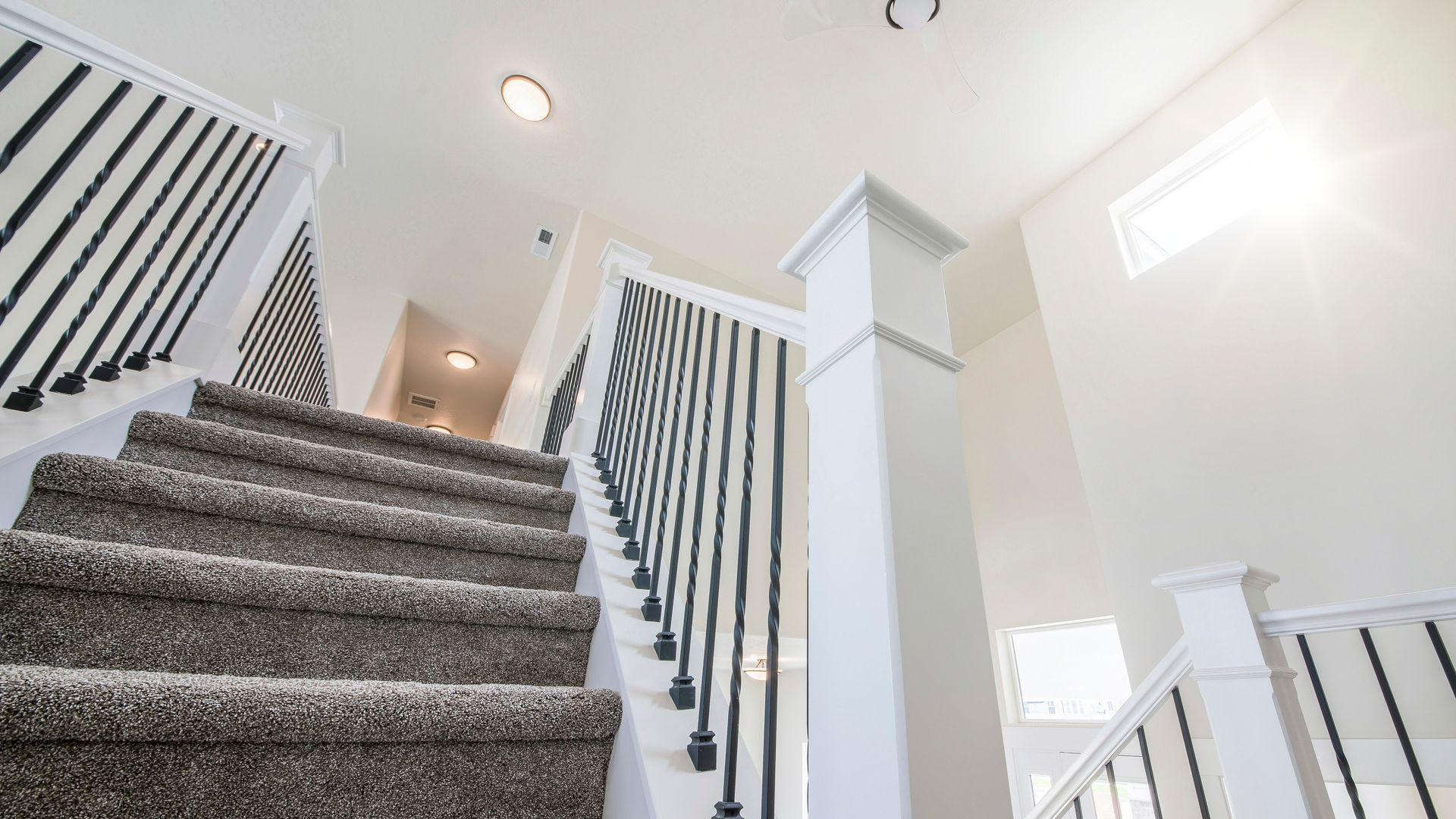
Homes designed for young families often create obstacles as mobility declines—narrow doorways that won't accommodate walkers or wheelchairs, bathrooms with tub entries that become fall risks, stairs without proper handrails, and inadequate lighting in hallways and transitions. Gold Leaf Construction provides aging-in-place remodeling in Cary that addresses these barriers proactively, installing features that improve accessibility and safety while maintaining attractive design. The work focuses on modifications that support independence now and adapt to future needs, allowing homeowners to remain comfortable in their properties longer.
Aging-in-place remodeling involves widening doorways to meet wheelchair clearances, replacing tubs with walk-in or roll-in showers that eliminate entry thresholds, adding grab bars in bathrooms and along stairs, improving lighting to reduce trip hazards, and reconfiguring layouts to minimize steps and level changes. These modifications are planned based on current mobility limitations and anticipated changes, so the home remains functional as physical abilities evolve.
Arrange an accessibility consultation to identify modifications that address current household needs and support long-term independence.
What Accessibility Remodeling Includes
Effective aging-in-place remodeling balances safety improvements with design that doesn't feel institutional. Walk-in showers are built with slip-resistant tile, built-in seating, and handheld showerheads positioned for seated use, but finished with materials that match the rest of the bathroom. Doorways are widened to thirty-six inches to allow walker or wheelchair passage, and lever-style door handles replace knobs that require gripping and twisting. Lighting is increased in kitchens, bathrooms, and stairways to improve visibility, and contrast is added to help distinguish transitions between flooring surfaces.
After remodeling, the home supports daily routines without creating safety concerns or requiring assistance for basic tasks. Showers are entered without stepping over high tub walls, doorways accommodate mobility devices without tight maneuvering, and lighting eliminates shadows that obscure steps or thresholds. The modifications blend with the home's existing design, avoiding the clinical appearance that makes some accessibility features feel out of place.
Remodeling projects include recommendations based on current mobility challenges and common patterns of decline, ensuring modifications address both immediate concerns and anticipated needs. Reinforcement is added to walls for future grab bar installation even if bars aren't needed yet, and electrical planning accounts for potential medical equipment or assistive devices.
Answers to Frequent Service Questions
Homeowners considering accessibility remodeling want to understand which modifications provide the most safety improvement and how to balance function with aesthetics.
What modifications make the biggest difference?
Walk-in showers eliminate one of the most common fall risks in homes, and widening doorways ensures mobility devices can pass through without constant adjustments. Improved lighting and grab bars in bathrooms add immediate safety improvements with relatively modest cost.
How do you make accessibility features look attractive?
Modern grab bars come in finishes that match other bathroom fixtures, and walk-in showers are tiled to coordinate with existing design. Wider doorways and improved lighting don't compromise aesthetics when planned carefully, and many accessibility features appeal to buyers of all ages.
What should I prioritize if I'm on a budget?
Focus first on bathrooms, since wet surfaces create fall hazards and bathing requires the most challenging movements. Walk-in showers, grab bars, and improved bathroom lighting address the highest-risk areas. Doorway widening and improved hallway lighting can follow in later phases.
When should I start planning accessibility remodeling?
The best time is before mobility limitations become urgent, allowing you to plan thoughtfully and complete work without time pressure. Proactive remodeling avoids emergency modifications made after falls or injuries, which often cost more and disrupt households during already stressful periods.
Will aging-in-place remodeling increase my home's value?
Accessibility features appeal to a growing segment of buyers, particularly in areas like Cary where many homeowners plan to remain in their properties long-term. Well-executed modifications add value by making homes functional for a wider range of occupants.
Gold Leaf Construction works with homeowners throughout Cary and surrounding communities to design and implement accessibility improvements that support independence and safety. Schedule an evaluation to discuss your household's current needs and how your home can be modified to accommodate changing mobility.