
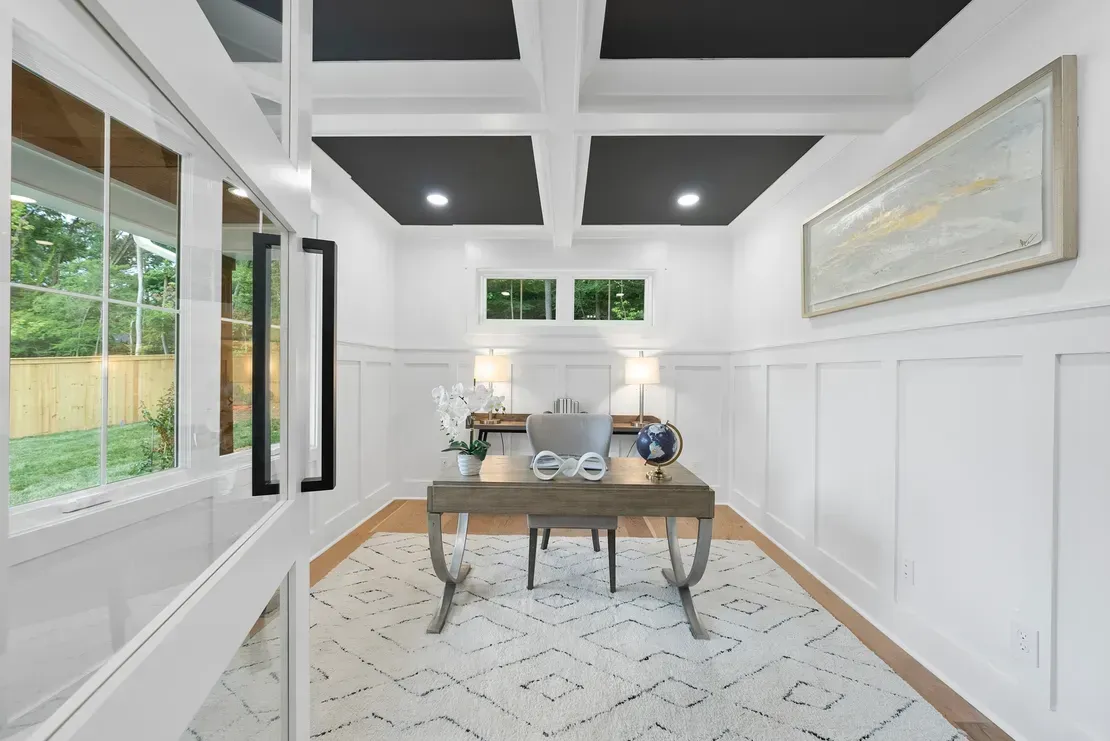
Living Space Without Changing Addresses
Room Additions in Cary for growing families who need more square footage without relocating
When your household outgrows its current floor plan—bedrooms double as home offices, dining tables serve as permanent homework stations, or guests have nowhere private to stay overnight—room additions create the space you need without the disruption of selling and moving. The work involves constructing new living areas that connect architecturally and functionally to your existing home, matching rooflines, siding profiles, and interior finishes so the addition reads as original construction rather than an obvious afterthought. Gold Leaf Construction manages room addition projects in Cary that address specific space shortages while working within property setbacks and homeowner association guidelines.
Room additions require foundation work that matches existing structural systems, framing that ties into current roof and wall assemblies, and HVAC modifications that extend heating and cooling without overloading existing equipment. The planning phase determines whether you need a ground-floor expansion for aging parents who can't manage stairs, a second-story addition above the garage for teenage bedrooms, or a sunroom that opens off the kitchen for casual dining with southern exposure.
Schedule a property assessment to explore which expansion options align with your lot configuration and local building requirements.
What Changes After New Space Integrates
Construction begins with surveying property lines to confirm the addition stays within required setbacks, then excavating and pouring footings that bear the same loads as your home's existing foundation. Framing connects new walls to existing studs through structural fasteners that transfer loads properly, and roof valleys integrate so water sheds away from the transition point where new meets old. Insulation values match current energy codes, which often exceed what older homes originally included, and drywall texture gets matched room by room so ceilings and walls maintain consistent appearance.
Once the addition finishes, you'll notice the temperature stays even throughout the new space because ductwork was sized properly during HVAC planning, floors feel solid without bounce because joists were engineered for the span, and trim details match existing baseboards and door casings so the transition between old and new construction becomes invisible. The new square footage functions as permanent living space rather than feeling tacked on.
Projects include electrical service upgrades if your current panel lacks capacity for additional circuits, but they don't include furnishing or decorating the completed space. Permits and inspections get coordinated throughout construction to meet Cary building department requirements at each phase.
Common Questions About This Service
Homeowners typically ask about structural integration and how additions affect existing home systems before committing to expansion projects.
How do you match siding on additions to existing home exteriors?
Siding manufacturers still produce many discontinued profiles, but when exact matches aren't available, transitioning at inside corners or wrapping entire walls makes the change intentional rather than appearing as a failed match.
What happens to the existing exterior wall where the addition connects?
That wall becomes an interior partition, so exterior siding gets removed, sheathing stays as a structural backer, and insulation gets added before new drywall installs to match interior walls throughout the rest of the home.
When does HVAC equipment need replacement versus modification?
If your current system runs constantly during summer or struggles to maintain temperature, adding square footage will worsen performance, so equipment upgrades happen before ductwork extends into new spaces to avoid undersized systems.
Why do second-story additions cost more than ground-floor expansions?
Adding a level requires temporarily removing existing roof sections, engineering floor joists that span without intermediate support posts, and building stairs that meet code for riser height and tread depth while fitting within available floor space.
What property factors limit addition size in Cary?
Setback requirements typically mandate minimum distances from side and rear property lines, lot coverage maximums restrict how much of your land can contain structures, and drainage easements may prohibit building in certain areas even if they fall within your lot boundaries.
Gold Leaf Construction tailors room additions to your specific space needs, whether that involves creating private guest suites, dedicated home offices with separate entrances, or expanded family rooms for growing households. Review your expansion options with our team to determine which approach works within your property constraints and delivers the functionality your household requires.