
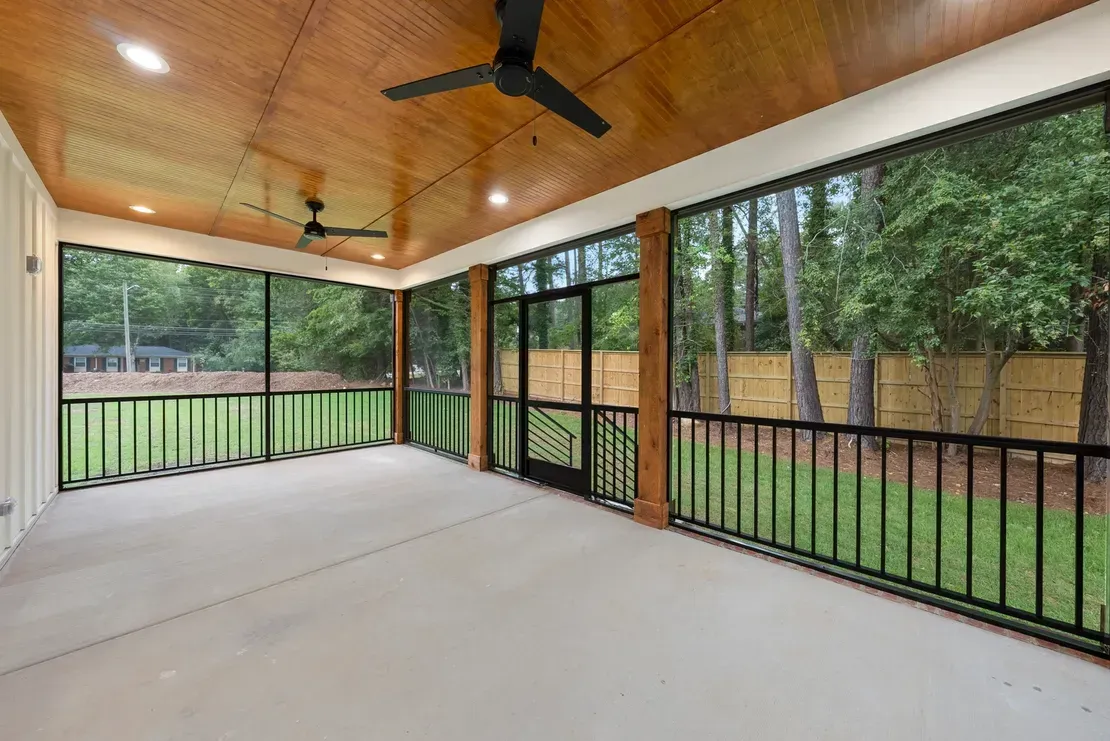
Backyards Designed for Actual Use Patterns
Outdoor Living Spaces in Cary for properties where existing patios sit unused most of the year
A concrete slab without shade becomes unusable during summer afternoons, fire pits positioned where smoke blows directly toward seating frustrate evening gatherings, and outdoor kitchens placed too far from interior kitchens make meal prep inefficient. These design problems explain why many patios and decks get built but rarely used beyond a few weeks in spring and fall. The work focuses on creating outdoor environments that function comfortably across multiple seasons and genuinely extend how your household uses available property. Gold Leaf Construction plans outdoor living projects around specific activities—whether you're hosting large groups for cookouts, creating quiet morning coffee spots, or building play spaces that keep children visible from kitchen windows.
Outdoor living space development involves grading for drainage so water doesn't pool on finished surfaces, positioning structures relative to afternoon sun angles and prevailing wind direction, and selecting materials that handle Cary's freeze-thaw cycles without cracking. The scope might include covered patios with ceiling fans for summer shade, outdoor kitchens positioned near interior access points, fire features with adequate clearance from overhead branches, or multi-level decks that adapt to sloped lots.
Arrange a site evaluation to identify which outdoor improvements align with your property's natural features and how you want to use exterior space.
What Proper Outdoor Design Accomplishes
Construction begins by establishing base elevations that prevent water from flowing toward your home's foundation, then building structural supports sized for expected loads—heavier framing for spaces that will support hot tubs or stone veneer, standard framing for basic seating areas. Material choices account for maintenance preferences: composite decking that doesn't require annual staining, pavers set on gravel bases that allow individual unit replacement, or stamped concrete that provides texture without grout lines that trap debris.
Gold Leaf Construction coordinates electrical rough-ins for lighting, ceiling fans, and outdoor kitchen appliances before finish surfaces install, and gas lines get trenched to fire pits or grills at depths that meet code requirements. Once complete, you'll notice the space stays comfortable during peak summer heat because roof structures block direct sun exposure, seating areas remain usable after rain because drainage directs water away quickly, and the layout allows easy movement between cooking, dining, and lounging zones without crowding.
Projects include constructing the primary outdoor structure and installing permanent fixtures, but they don't include furniture, planters, or decorative elements you'll add later. Lighting plans specify fixture locations for ambient evening illumination and task lighting over grills or prep surfaces.
Questions Before Starting Your Project
Property owners throughout Cary typically ask about design decisions that affect comfort and how outdoor spaces hold up over time.
How do you position outdoor kitchens for efficient use?
Placing grills and refrigerators within fifteen feet of interior kitchen doors reduces trips back inside for ingredients, while counters positioned between cooking and seating areas create natural serving buffers that keep guests away from hot surfaces.
What makes covered patios comfortable during summer in Cary?
Roof structures oriented to block afternoon sun from the west, combined with ceiling fans that move air across seating areas, drop perceived temperatures enough to make spaces usable during July and August when exposed patios become uncomfortable by mid-morning.
When should outdoor spaces include heating elements?
Fire pits extend usability into fall and winter evenings, while infrared heaters mounted under covered areas provide focused warmth that makes outdoor dining comfortable when temperatures drop into the forties, effectively adding two to three months of functional use annually.
Why does material selection affect long-term maintenance?
Natural wood decking requires staining every two to three years to prevent graying and splintering, composite materials resist fading and moisture damage without refinishing, and stone pavers handle freeze-thaw cycles better than poured concrete which can crack along control joints.
What drainage considerations matter for outdoor living projects?
Proper grading slopes surfaces away from the house at one-quarter inch per foot minimum, while areas under roof coverage need gutters or drainage channels to prevent erosion where water concentrates during storms, protecting both the structure and surrounding landscaping.
Gold Leaf Construction tailors outdoor living spaces to match how you'll actually use the area, accounting for sun exposure patterns on your specific lot, typical group sizes you host, and which seasons you want to extend outdoor comfort. Connect with our team to discuss design options that transform underutilized backyards into functional extensions of your home's living area.